Trump y América Latina
Over the years, the United States has maintained significant influence in Latin America due to its economic, political, and security ties. However, the return of Donald Trump to the leadership of the United States has generated new debates about the nature of this relationship. Because his approach, based on nationalism, the protection of U.S. interests, and a more transactional foreign policy, raises a question: Does our region continue to depend on the United States or is it seeking greater strategic autonomy?
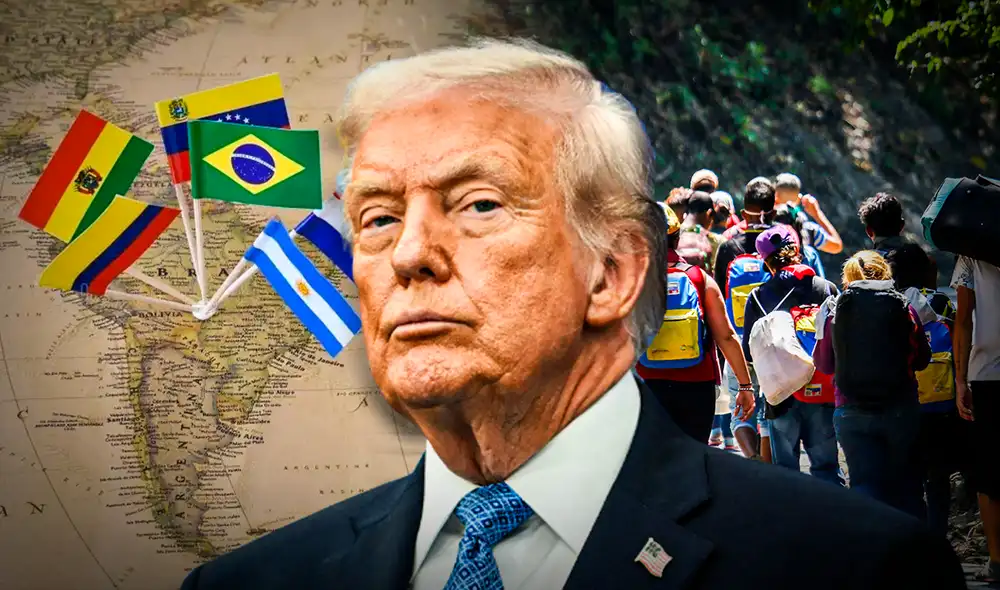
La República. (2025). Trump busca aumentar influencia de EE.UU en América Latina
First we have to consider the political influence: The Trumps administration intensified its interference in our region electoral processes and governments through a combination of political pressure, strategic economic agreements and military cooperation (Machado, 2026). The most illustrative case was the Panama Canal crisis where Trump declared: "This total swindle of our country will cease immediately"(Trump, 2024). Then he escalated the pressure by stating: If the moral and legal principles of this magnanimous donation are not respected, then we will demand the return of the Panama Canal to us(Trump, 2024).
These speeches translated into concrete actions: Support for candidates in Honduras, a 20 billion financial bailout for Argentina prior to elections, and military operations that culminates in the departure of Maduro in Venezuela(Trump, 2025, according to TRT, 2026)
Then I think it's necessary consider the economical influence. Trump use tariffs as a weapon. Almost the entire region experienced a 10% increase in tariffs, with punitive peaks for Guyana, Nicaragua and Venezuela (Dialogo político, 2026). Brazil temporary faced tariffs of up to 50% for political reasons(Banco de España, 2026, according to Centro de estudios internacionales UC, 2026). This dependence creates a vulnerability that Washington exploits to force political alignments.
Conclusion:
The Trump administration represents a challenge for Latin America because it is redefining a relationship historically marked by USA influence. However, it also encourages Latin America countries to strengthen their strategic autonomy and diversify their international alliances.
Finally I can say that the future of the region will depende on its ability to maintain relations with the United States without becoming limited bu its interests.
References:
Banco de España. (2026). Análisis económico de América Latina [Citado en Centro de Estudios Internacionales UC, 2026].
Centro de Estudios Internacionales UC. (2026). Informe de Riesgo Político América Latina 2026. Universidad Católica de Chile. https://cei.uc.cl
Diálogo Político. (2026). ¿Qué dejó para América Latina el primer año de la segunda administración Trump? https://dialogopolitico.org
El País. (2024, diciembre 22). El Canal no se toca: Latinoamérica cierra filas con Panamá. https://elpais.com
Machado, D. (2026, abril 15). Entrevista con Decio Machado [Entrevista]. Xinhua. https://www.xinhuanet.com
TRT Español. (2026). ¿Qué dijo Trump sobre Latinoamérica en su discurso récord ante el Congreso? https://www.trt.net.tr/espanol


Comentarios
Publicar un comentario